
Choosing the right money saving book for a child depends on their age, reading level, and learning style. Some titles are designed for preschoolers who need a simple introduction to what money is, while others are aimed at early readers who are ready to learn about saving, investing, and giving. The format of the book also matters, as some are narrative stories that illustrate financial concepts through characters, while others are functional tools like ledgers that allow children to practice tracking their own funds.
This comparison looks at eight distinct options, ranging from picture books for toddlers to interactive log books for older children. By considering the specific financial concepts covered and the age range targeted, parents can select a resource that matches their child's current developmental stage and helps build a strong foundation for financial literacy.
Our pick: What Is Money?: Personal Finance for Kids. Suitable for ages 3-6, this book provides a foundational introduction to money management for the youngest readers.
Our 3 picks for different needs

What Is Money?: Personal Finance for Kids
Suitable for ages 3-6, this book provides a foundational introduction to money management for the youngest readers.
Read the details
My Money Log Book For Kids

This 110-page ledger allows children to actively record their pocket money and allowance, promoting hands-on financial practice.
Read the details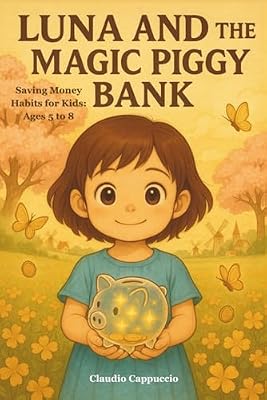
Saving Money Habits for Kids: Luna and the Magic Piggy Bank
Focuses on saving habits and delayed gratification, helping children develop the self-control needed for long-term financial goals.
Read the detailsAll products, in detail
What Is Money?: Personal Finance for Kids
This title from the Little Economists series introduces personal finance concepts to young children. The listing specifies it is suitable for ages 3-6, making it a strong fit for preschool and kindergarten students. It covers foundational topics like money management and savings in a format designed for early learners.
Parents looking for a very first introduction to financial literacy for their youngest children will find this book appropriate for its stated age range.
- Targeted at ages 3-6
- Part of the Little Economists series

Money Ninja: A Children's Book About Saving, Investing, and Donating
Published by Grow Grit Press LLC, this book uses a ninja theme to teach children about saving, investing, and donating. It is part of the Ninja Life Hacks collection, which suggests a focus on practical life skills presented in an engaging narrative. The inclusion of investing and donating alongside saving provides a broader view of money management than titles that focus solely on piggy banks.
This option is well-suited for children who enjoy action-oriented themes and want to learn about different ways to handle money.
- Covers saving, investing, and donating
- Part of the Ninja Life Hacks series

Little Critter: Just Saving My Money
From HarperCollins, this book features the popular Little Critter character in a story about financial literacy and hard work. It is designed for children ages 4-8 and is part of the My First I Can Read series, indicating it is an early reader with simple text.
The narrative approach helps children connect the concept of saving with the effort of earning. This is a good choice for parents who want a familiar character to guide their child through the basics of saving money.
- Targeted at ages 4-8
- Part of the My First I Can Read series
My Money Log Book For Kids
This 110-page ledger book from Majosta is designed for kids to track their pocket money and allowance. It measures 6×9 inches, making it a compact size that is easy for children to carry. Unlike narrative picture books, this is a functional tool that allows children to practice recording income and expenses.
It is ideal for children who are ready to take an active role in managing their own funds and want a dedicated space to log their financial activities.
- 110 pages
- 6×9 inch dimensions

Rock, Brock, and the Savings Shock
This title is part of the Money Tales series, offering a story-based approach to teaching children about savings. The narrative format helps illustrate the consequences and benefits of saving money through character experiences. It serves as a reference for parents and educators looking for a story that specifically addresses the concept of saving.
This book is a suitable option for children who learn best through storytelling and character-driven lessons.
- Part of the Money Tales series
- Focuses on savings concepts

I Am Money: Fun Picture Book
This picture book encourages kids to understand how money works through a fun and engaging format. It is designed to make the abstract concept of money tangible for young readers. The title suggests a playful approach to financial education, which can help reduce anxiety or confusion about money for children.
It is a good fit for parents who want a lighthearted introduction to the mechanics of money.
- Picture book format
- Focuses on how money works

My 1st Book of Money
From Majosta, this guide is aimed at children and toddlers 4+ years old. It covers a wide range of money basics, including saving, investing, earning, giving, needs and wants, and ancient money. The comprehensive scope makes it a useful reference for parents who want to cover multiple financial concepts in one book.
It is suitable for early readers who are ready to expand their understanding of money beyond just saving.
- Targeted at children and toddlers 4+ years
- Covers saving, investing, earning, giving, needs and wants
Saving Money Habits for Kids: Luna and the Magic Piggy Bank
This book from the Luna Learns Money series focuses on saving habits, money management, and delayed gratification. It uses the character Luna to teach children the importance of waiting for what they want. The emphasis on delayed gratification is a key financial skill that helps children develop self-control.
This is a strong choice for parents who want to teach their children the discipline of saving rather than just the mechanics of money.
- Part of the Luna Learns Money series
- Focuses on delayed gratification
Head-to-Head Comparisons
What Is Money? vs Little Critter: Just Saving My Money
Both books are aimed at young children, but they target slightly different age ranges and reading levels. What Is Money? is specified for ages 3-6, making it ideal for preschool and kindergarten students who are just beginning to understand the concept of money. Little Critter: Just Saving My Money is targeted at ages 4-8 and is part of the My First I Can Read series, which suggests it is an early reader with simple text.
If your child is a pre-reader, the former may be more appropriate, while the latter is better for children who are starting to read on their own.
My Money Log Book vs I Am Money
These two products serve very different purposes in a child's financial education. My Money Log Book is a functional tool with 110 pages designed for children to record their allowance and pocket money. It is a practical resource for children who are ready to take an active role in managing their funds.
I Am Money is a picture book that encourages kids to understand how money works through a fun narrative. The log book is for practice and tracking, while the picture book is for conceptual understanding and engagement.
Money Ninja vs My 1st Book of Money
Both books cover a range of financial concepts, but they approach them with different themes and scopes. Money Ninja uses a ninja theme to teach saving, investing, and donating, making it engaging for children who enjoy action-oriented stories. My 1st Book of Money is a broader guide that covers saving, investing, earning, giving, needs and wants, and ancient money.
It is targeted at children and toddlers 4+ years. If your child prefers a specific character-driven theme, the Ninja book may be more appealing, while the Majosta guide offers a more comprehensive overview of money basics.
Buying Guide
Match the Book to Your Child's Age
The age range specified in the title is a critical factor in choosing the right book. For preschoolers and kindergarteners, look for titles targeted at ages 3-6, such as What Is Money?. For early readers, books targeted at ages 4-8, like Little Critter, are more appropriate.
For older children, you might consider books that cover more complex concepts like investing or delayed gratification. Ensuring the book matches your child's developmental stage will help them engage with the material rather than feeling overwhelmed or bored.
Consider the Format: Story vs Tool
Decide whether you want a narrative story or a functional tool. Picture books and storybooks, such as I Am Money or Rock, Brock, and the Savings Shock, are great for introducing concepts through characters and plots. On the other hand, a ledger like My Money Log Book is a practical tool that allows children to practice tracking their own money.
Some children learn best through stories, while others prefer to take an active role in managing their funds. You might even consider using both types of resources together.
Look for Specific Financial Concepts
Different books focus on different aspects of financial literacy. Some titles focus primarily on saving, while others cover a broader range of concepts including investing, earning, giving, and delayed gratification. For example, Money Ninja covers saving, investing, and donating, while Saving Money Habits for Kids focuses on delayed gratification.
Consider which specific skills you want your child to develop and choose a book that emphasizes those areas. This ensures the book aligns with your educational goals for your child.
Engage with Interactive Children's Books
Interactive elements can make financial education more engaging for children. While not all books in this list are explicitly interactive, some formats, like ledgers, require active participation from the child. Look for books that encourage your child to think about their choices and take action.
You might also consider pairing a money book with other interactive children's books to create a well-rounded educational experience. Engaging with the material actively helps children retain the lessons and apply them to their own lives.
Frequently Asked Questions
What age is best to start teaching children about money?
You can start introducing basic money concepts as early as preschool, around age 3. Books targeted at ages 3-6 are designed for this stage. As children grow, you can introduce more complex concepts like saving, investing, and budgeting. The key is to match the complexity of the material to your child's developmental stage.
Should I buy a storybook or a ledger for my child?
It depends on your child's learning style. Storybooks are great for introducing concepts through narratives, while ledgers are practical tools for tracking money. You might consider buying both: a storybook to explain the concepts and a ledger for your child to practice managing their allowance.
Do these books cover investing?
Some of the books in this list cover investing. For example, Money Ninja and My 1st Book of Money both include investing as one of the topics they cover. If you want to teach your child about investing, look for titles that explicitly mention this concept in their description.
Are these books suitable for toddlers?
Some of the books are suitable for toddlers. My 1st Book of Money is targeted at children and toddlers 4+ years. What Is Money? is targeted at ages 3-6, which includes some toddlers. For younger toddlers, you might want to look for board books or very simple picture books.
This article is part of our complete guide Books & Media — browse all our comparisons and buying guides.
Last update on 2026-11-20 / Affiliate links / Images from Amazon Product Advertising API