
Selecting the right book on experimental education methods depends on your specific field of study and the type of research you are conducting. Whether you are a student in an education program or a researcher in psychology, the focus of the text matters.
These seven options cover a range of disciplines, from general educational research to specific experimental designs. Each book offers a different perspective on how to structure and execute research studies.
Our 3 picks for different needs

Introduction to Research Methods: A Hands-On Approach
This book is described as having a hands-on approach, making it suitable for learners who prefer practical application.
Read the details
Experimental and Quasi-Experimental Designs for Research
This title specifically addresses experimental and quasi-experimental designs, fitting those needing design-specific guidance.
Read the details
Experimental Psychology: Methods of Research
This book focuses on experimental psychology methods, making it a fit for those in the psychology field.
Read the detailsAll products, in detail

Research Methods in Education
This title focuses specifically on the application of research techniques within educational settings. It serves as a dedicated resource for students and professionals working in the field of education. The book provides a framework for understanding how to conduct studies relevant to teaching and learning environments.
It is a suitable choice for those who need a text that aligns directly with educational research standards and practices.
- Focuses on research methods in education
- Title indicates educational focus
Experimental Psychology: Methods of Research
Published by Pearson Education, this book centers on the methods used in experimental psychology. It is designed for readers interested in the psychological aspects of research design. The title suggests a focus on how experiments are structured and executed within the discipline of psychology. It offers a perspective that is distinct from general educational research texts.
- Published by Pearson Education
- Focuses on experimental psychology methods
Introduction to Research Methods: A Hands-On Approach
This book is described as a new edition with a hands-on approach to research methods. The emphasis on a hands-on approach suggests that the content includes practical exercises or applications. It is a good fit for learners who prefer to engage with material through active practice rather than just reading theory.
The title indicates it is an introductory level text.
- Described as a new edition
- Features a hands-on approach

Research Methods in Psychology: 4th edition

This is the fourth edition of a book dedicated to research methods in psychology. The specific edition number indicates that the content has been updated or revised over time. It is a standard reference for those studying psychological research techniques. The focus remains on the discipline of psychology rather than education.
- 4th edition
- Focuses on research methods in psychology

Research Methods in Education (Routledge)
Published by Routledge, this book is titled Research Methods in Education. It is one of several titles in this comparison that share this specific name. The publisher is a well-known academic press. This listing provides a specific edition or print of the educational research methods text.
It is a direct resource for educational researchers.
- Published by Routledge
- Titled Research Methods in Education
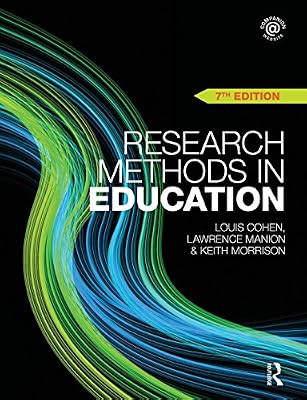
Research Methods in Education (Routledge)
This is another listing for Research Methods in Education, also published by Routledge. It shares the same title and publisher as the previous entry in this list. The specific ASIN distinguishes this particular listing from the other Routledge edition. It serves the same purpose of providing educational research methodology.
- Published by Routledge
- Titled Research Methods in Education
Experimental and Quasi-Experimental Designs for Research
Published by Cengage Learning, this book focuses on experimental and quasi-experimental designs. It is a specialized text for those interested in the specific structures of research designs. The title indicates a focus on the design phase of research rather than general methods. It is a useful resource for understanding the differences between experimental and quasi-experimental approaches.
- Published by Cengage Learning
- Focuses on experimental and quasi-experimental designs
Head-to-Head Comparisons
Education vs. Psychology Focus
The first book is titled Research Methods in Education, indicating a focus on educational settings. The second is titled Experimental Psychology: Methods of Research, published by Pearson Education. The primary difference is the discipline: one is for education, the other for psychology. If your work is in schools or educational policy, the education title is the direct fit.
If your work is in psychological experiments, the psychology title is the appropriate choice.
Hands-On vs. Standard Edition
The Introduction to Research Methods book is described as a hands-on approach. The Research Methods in Psychology book is the 4th edition. The hands-on book suggests practical exercises, while the 4th edition suggests a standard, updated reference. If you learn by doing, the hands-on approach may be more engaging.
If you need a standard reference for psychological methods, the 4th edition is a solid choice.
Two Routledge Editions
Both of these books are titled Research Methods in Education and are published by Routledge. They share the same title and publisher. The difference lies in the specific listing or edition, which may vary in print details or availability. Since the titles and publishers are identical, the choice between them may depend on which specific listing is currently available or preferred for your collection.
Buying Guide
Identify Your Discipline
First, determine if your research is in education or psychology. Books titled Research Methods in Education are for educational settings. Books titled Research Methods in Psychology are for psychological studies. Choosing the wrong discipline can lead to irrelevant examples and frameworks. Match the book's title to your field of study.
Consider the specific context of your coursework or professional duties when making this selection. If your program requires a text that explicitly mentions educational settings, prioritize titles with that exact wording. Conversely, if your focus is on psychological experiments, look for titles that specify that discipline.
Aligning the book's stated focus with your academic requirements ensures the content remains relevant to your daily work.
Consider Your Learning Style
Some books, like the one described as a hands-on approach, may include practical exercises. Others are standard references. If you prefer to learn by doing, look for books that emphasize practical application. If you prefer a theoretical overview, a standard reference may be sufficient. Your learning style should guide your choice.
Reflect on how you previously engaged with academic materials to make this decision. A text that encourages active participation can help solidify complex methodological concepts through practice. Alternatively, a comprehensive reference text might serve better as a desk companion for quick lookups during the research process.
Selecting a format that matches your preferred study habits can improve retention and understanding of the material.
Check the Edition
Some books list their edition, such as the 4th edition of Research Methods in Psychology. A newer edition may include updated methods or data. If you are starting a new study, a recent edition is often preferable. Check the edition number to ensure you are getting current information.
Verify the publication details to confirm the version matches your syllabus or professional needs. Different editions may reflect changes in how the discipline approaches specific research techniques. Ensuring you have the correct edition prevents confusion when following along with course materials or professional guidelines. Pay close attention to the edition number listed in the product details to avoid purchasing an outdated version.
Look at the Publisher
Publishers like Pearson Education, Routledge, and Cengage Learning are well-known in academia. The publisher can indicate the book's academic standing. A book from a reputable academic press is likely to be a reliable resource. Consider the publisher when evaluating the credibility of the text. Familiarity with a specific press can also help you navigate their catalog for related titles.
Each publisher listed in this comparison has a distinct presence in the academic market. Choosing a publisher whose style and formatting you find accessible can make the reading experience smoother. Evaluate the publisher's reputation in your specific field to ensure the text meets your standards for academic rigor and clarity.
Frequently Asked Questions
What is the difference between experimental and quasi-experimental designs?
Experimental designs involve random assignment, while quasi-experimental designs do not. The book by Cengage Learning focuses on both types. Understanding the difference is key to choosing the right design for your study. This distinction is fundamental to how researchers structure their investigations and interpret results.
The specific title in this comparison addresses these design structures directly, providing a framework for understanding their unique characteristics. Readers can use this text to explore the nuances between these two common research approaches.
Is a hands-on approach better for learning research methods?
It depends on your learning style. A hands-on approach includes practical exercises, which can help you apply concepts. If you learn by doing, this type of book may be more effective for you. The specific title in this comparison is described as having a hands-on approach, which suggests a focus on active engagement with the material.
This format can be particularly useful for students who benefit from applying theoretical concepts to practical scenarios. Consider your personal preferences for study methods when deciding if this approach suits your needs.
Can I use a psychology book for educational research?
While the methods may overlap, the examples and context will differ. A psychology book focuses on psychological studies. An education book focuses on educational settings. It is best to choose a book that matches your specific field. The titles in this comparison clearly indicate their respective disciplinary focuses, allowing you to select the appropriate resource.
Using a text from a different discipline might result in examples that do not align with your specific research context. Prioritize the book that explicitly names your field of study to ensure relevance.
Why are there two books with the same title and publisher?
The two Routledge books are both titled Research Methods in Education. They may be different printings or editions. The specific ASIN distinguishes them. Check the details of each listing to see if there are differences in content or format. Both listings share the same title and publisher, which can sometimes cause confusion for buyers.
Reviewing the specific product details will help clarify any differences between these two entries. Ensure you select the listing that matches your specific requirements for format or edition.
This article is part of our complete guide Books & Media — browse all our comparisons and buying guides.
Last update on 2026-11-18 / Affiliate links / Images from Amazon Product Advertising API