
Selecting the right flower seeds depends on your garden's light conditions, available space, and whether you prefer annuals or perennials. This comparison covers eight distinct options, ranging from single-variety packs like Zinnias and Lavender to large bulk wildflower mixes.
Each product offers different benefits, from the intense fragrance of English Lavender to the pollinator appeal of a 19-variety wildflower blend. By understanding the specific growth habits and bloom characteristics of each seed type, you can choose a pack that fits your landscape goals and maintenance preferences.
Our pick: HOME GROWN Zinnia Dahlia Seeds. The Zinnia Dahlia seeds produce thick-stemmed, double blooms that last 7-10 days in a vase, making them ideal for bouquet-making.
Our 3 picks for different needs

HOME GROWN Zinnia Dahlia Seeds
The Zinnia Dahlia seeds produce thick-stemmed, double blooms that last 7-10 days in a vase, making them ideal for bouquet-making.
Read the details
HOME GROWN Wildflower Variety Mix
With over 63,000 seeds, this bulk mix is suited for covering large areas like meadows or extensive cottage garden beds.
Read the details
Mixed Color Hosta Seeds
Hosta seeds are specifically noted for their shade tolerance and ability to thrive in low-light areas where other flowers may struggle.
Read the detailsAll products, in detail
HOME GROWN Zinnia Dahlia Seeds
This pack contains 524 seeds of Zinnia elegans, a variety known for its large, double blooms in a wide range of colors. The plants grow 24 to 36 inches tall and are well-suited for borders, containers, and cut flower arrangements. With a fast germination cycle and heat tolerance across USDA zones 2 through 11, these seeds are a practical choice for gardeners seeking vibrant, long-lasting summer color.
- Includes 524 seeds that bloom in shades of red, pink, orange, and white.
- Plants reach 24-36 inches in height and thrive in full sun.

HOME GROWN English Lavender Seeds
These seeds feature the 'Vera' variety of English lavender, which is noted for its intense fragrance and suitability for culinary and wellness uses. The listing specifies that the seeds require cold stratification for two to four weeks to improve germination rates. Once established, the plants are drought-tolerant and can be grown in containers or borders, making them a versatile addition to both indoor and outdoor spaces.
- Requires 2-4 weeks of cold stratification before planting.
- Suitable for culinary uses such as teas, baking, and syrups.

The Lucky Stars Petunia Seeds
This 1,500 mg pack offers a mixed rainbow of petunia colors, including red, rose, violet, and yellow. The seeds are described as heirloom and non-GMO, producing dwarf plants with silky trumpet-shaped flowers. They are ideal for hanging baskets and borders, and the listing notes that the seeds require light to germinate, meaning they should be pressed into the soil rather than covered.
- Contains 5,000+ seeds in a mixed rainbow color variety.
- Seeds require light to germinate and should not be covered.
Mixed Color Hosta Seeds
This pack includes over 185 hosta seeds that produce leaves in blue, purple, and white hues with unique patterns. Hostas are shade-tolerant perennials that thrive in USDA zones 3 through 9, making them a good fit for low-light garden areas. The plants are described as low-maintenance and deer-resistant, with summer blooms that attract hummingbirds and butterflies.
- Shade-tolerant perennials suitable for USDA zones 3-9.
- Leaves are described as resistant to deer and rabbits.

Red and White Rose Seeds
This small pack contains 20 rose seeds intended for outdoor garden beds and pots. The listing notes that bloom color and pattern may vary by plant, and the seeds require full sun and well-drained soil for optimal growth. It is a straightforward option for gardeners who want to add classic ornamental roses to their landscape, with growing notes included for germination and care.
- Includes 20 seeds for red and white rose varieties.
- Requires full sun and loose, well-drained soil.
HOME GROWN Wildflower Variety Mix
This 4 oz bulk pack contains over 63,200 seeds of 19 different wildflower varieties, including Purple Coneflower and Shasta Daisy. The mix is designed for large-scale planting in meadows or cottage gardens and is non-GMO. As a perennial mix, the plants establish roots in the first year and are expected to bloom vigorously in the second year and beyond.
- Contains 63,200+ seeds across 19 wildflower varieties.
- Perennial mix that establishes roots in year one and blooms in year two.

Burpee Wildflower Bulk Mix

This 25,000-seed bulk bag from Burpee includes 18 varieties of non-GMO wildflowers, such as Cornflower and Zinnia. The mix is designed to cover up to 1,000 square feet and is suitable for most soil types. It is a pollinator-friendly option that provides a colorful display for bees and butterflies, with seeds that are easy to sow outdoors after the danger of frost has passed.
- Covers up to 1,000 square feet with 25,000 seeds.
- Includes 18 varieties of non-GMO wildflowers.
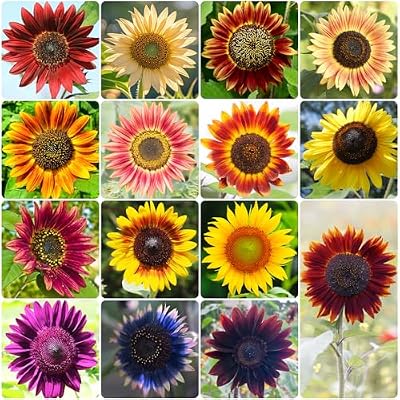
Groundio Sunflower Seeds
This pack contains over 300 seeds of 15 different sunflower varieties, offering a range of colors from lemon yellow to chocolate brown. The seeds are described as easy to grow and drought-resistant, requiring at least six hours of sun per day. The mature flower heads yield edible seeds that can be roasted or pressed for oil, making this a dual-purpose ornamental and culinary choice.
- Includes 15 sunflower varieties with vibrant, rare colors.
- Mature heads yield edible seeds for roasting or oil.
Head-to-Head Comparisons
HOME GROWN vs Burpee Wildflower Mixes
Both the HOME GROWN and Burpee wildflower mixes are designed for pollinator gardens, but they differ in scale and variety count. The HOME GROWN mix includes 19 varieties and over 63,000 seeds, making it suitable for larger meadow projects. In contrast, the Burpee mix contains 18 varieties and 25,000 seeds, covering up to 1,000 square feet.
If you are planting a small to medium garden bed, the Burpee mix may be sufficient, while the HOME GROWN pack offers more seeds for expansive areas.
Zinnia Dahlia vs Petunia Seeds
Zinnia Dahlia and Petunia seeds both offer vibrant colors but serve different garden functions. Zinnias are upright plants that grow 24 to 36 inches tall, making them excellent for borders and cut flowers. Petunias, specifically the dwarf mix from The Lucky Stars, are better suited for hanging baskets and containers due to their spreading habit.
Choose Zinnias for vertical structure and vase life, or Petunias for cascading color in pots.
Hosta vs Rose Seeds
Hosta and Rose seeds represent two very different growing environments. Hostas are shade-tolerant perennials that thrive in low-light areas and are resistant to deer and rabbits. Roses, however, require full sun and well-drained soil to bloom properly. If your garden has significant shade, Hostas are the more reliable choice, while Roses are better for sunny, open beds where you can provide the necessary light and soil conditions.
Buying Guide
Sunlight and Shade Requirements
Match the seed type to your garden's light exposure. Most of the listed options, such as Zinnias, Petunias, and Sunflowers, require full sun to bloom effectively. Hostas are the primary exception, as they are specifically bred for shade tolerance. Assess the daily sun hours in your planting area before selecting a seed pack to ensure the plants receive the light they need.
Germination and Planting Methods
Different seeds have specific germination needs that affect your planting schedule. Petunia seeds require light to germinate and should not be covered with soil, while English Lavender seeds need cold stratification for two to four weeks. Check the specific instructions for each pack, as ignoring these requirements can significantly reduce your germination success rate.
Pollinator and Wildlife Appeal
If you want to support local wildlife, look for mixes that explicitly mention pollinator benefits. The wildflower mixes from HOME GROWN and Burpee are designed to attract bees, butterflies, and birds. Zinnias and Hostas also attract beneficial insects. Choosing a pollinator-friendly mix can enhance your garden's ecosystem and provide a natural habitat for local wildlife.
Perennial vs Annual Growth
Decide if you want flowers that return every year or those that need replanting. The wildflower mixes and Hostas are perennials that return season after season, though wildflowers may take two years to fully bloom. Zinnias, Petunias, and Sunflowers are typically grown as annuals. Perennials offer long-term value, while annuals provide immediate, predictable color for a single season.
Frequently Asked Questions
How many seeds are in each pack?
Seed counts vary significantly by product. The HOME GROWN wildflower mix contains over 63,000 seeds, while the Rose pack includes only 20. Check the specific product details to ensure the quantity matches your planting area.
Do these seeds require special soil?
Most of the listed seeds, including Roses and Zinnias, perform best in loose, well-drained soil. Hostas are more tolerant of poor soil conditions. Ensure your garden bed is prepared with appropriate drainage before sowing to support healthy root development.
Can I grow these seeds indoors?
Yes, several options are suitable for indoor starting. Petunias and Zinnias can be started indoors 8-10 weeks before the last frost. English Lavender can also be grown indoors, though it requires cold stratification first. Transplant them outdoors after the danger of frost has passed.
Are these seeds non-GMO?
The wildflower mixes from HOME GROWN and Burpee, as well as the Petunia seeds, are explicitly labeled as non-GMO. The other products do not specify their GMO status in the provided details, so you may want to check the packaging for that information.
This article is part of our complete guide Garden & Outdoor Living — browse all our comparisons and buying guides.
Last update on 2026-11-20 / Affiliate links / Images from Amazon Product Advertising API