
Choosing the right mirin depends on your cooking frequency and preferred bottle size. This comparison covers seven options, ranging from single 10-ounce bottles to 60-ounce bulk containers.
Each product offers a different balance of volume, ingredients, and packaging. Whether you are making a single teriyaki sauce or stocking a pantry for the month, these options provide clear distinctions to help you select the best fit for your kitchen.
Our pick: Soeos Mirin 16.9 Fl Oz Pack of 2. The Soeos pack of two 16.9 fl oz bottles offers a convenient supply for households using mirin often.
Our 3 picks for different needs
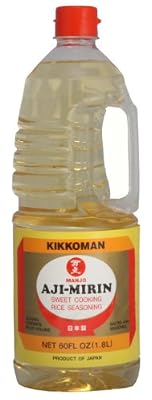
Kikkoman Manjo Aji Mirin 60 Oz
The 60-ounce Kikkoman bottle provides a large supply for frequent use in teriyaki and soups.
Read the details
Eden Mirin 10.1 Fl Oz

Eden Mirin uses Lundberg organic short grain brown rice, appealing to shoppers seeking organic ingredients.
Read the details
Soeos Mirin 16.9 Fl Oz Pack of 2
The Soeos pack of two 16.9 fl oz bottles offers a convenient supply for households using mirin often.
Read the detailsAll products, in detail
Soeos Mirin 16.9 Fl Oz Pack of 2
This Soeos mirin arrives in a two-bottle pack, each containing 16.9 fl oz of the sweet rice wine. The listing highlights premium short-grain rice, traditional koji, and granulated sugar as core ingredients. The BPA-free plastic bottles are designed for easy pouring and re-sealing. This configuration suits households that use mirin frequently for marinades, soups, and sauces, ensuring a steady supply without frequent restocking.
- Pack of 2 bottles, each 16.9 fl oz
- Made with premium short-grain rice and koji
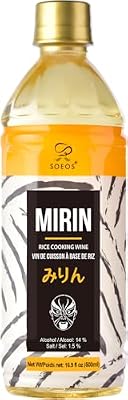
Soeos Authentic Mirin 16.9 Fl Oz
This single-bottle Soeos mirin offers 16.9 fl oz of authentic Japanese cooking wine. The product description emphasizes its use in teriyaki, marinades, and salad dressings, noting a sweet and acidic taste profile. The BPA-free plastic packaging is intended to protect delicate flavors while allowing for convenient re-sealing.
It is a straightforward choice for cooks who want a standard-sized bottle of mirin for everyday Japanese dishes.
- Single 16.9 fl oz bottle
- BPA-free plastic packaging
Eden Mirin 10.1 Fl Oz
Eden Mirin is a 10.1 fl oz bottle of traditional Japanese Ajino-haha. The listing states it is made from U.S.A. Lundberg organic short grain brown rice. It is described as low in sodium and carbohydrate, and free of fat and cholesterol. The natural sugar content comes from rice fermentation in the form of maltose.
This option appeals to shoppers seeking a smaller volume of mirin with an organic rice base for sushi rice and broths.
- 10.1 fl oz bottle size
- Made from Lundberg organic short grain brown rice

52USA Mirin 16.9 Fl Oz
This 52USA mirin comes in a 16.9 fl oz bottle and is positioned as an authentic Japanese seasoning for sauces. The features list notes it is made with natural sugar and offers less sugar and calories than other brands. It is suitable for a variety of applications including glazes, salad dressings, sushi rice, and ramen noodles.
This product fits buyers looking for a standard-sized bottle with a focus on natural ingredients for versatile cooking.
- 16.9 fl oz bottle
- Made with natural sugar
Kikkoman Manjo Aji Mirin 60 Oz
Kikkoman Manjo Aji Mirin is a large 60-ounce bottle of cooking rice wine. The description identifies it as a sweet, golden syrup made from sake and other select ingredients. It is highlighted as a key ingredient for scratch-made teriyaki sauce, as well as for dressings, glazes, and soups.
The all-natural designation and large volume make this a practical choice for frequent cooks or those who use mirin in bulk for multiple recipes.
- 60-ounce bottle size
- Made from sake and select ingredients

52USA Mirin 16.9 Fl Oz
This 52USA mirin is a 16.9 fl oz bottle designed to add sweet, balanced umami flavor to Japanese and Asian dishes. The listing suggests using it in dipping sauces for noodles, sashimi, tonkatsu, and tempura. It is also recommended as a seasoning for soups like ramen and miso, as well as for balancing salty soy sauce.
This option is well-suited for cooks who want a versatile sweetener for savory dishes and dipping sauces.
- 16.9 fl oz bottle
- Suitable for dipping sauces and soups

Soeos Mirin 1.8 L Bulk
This Soeos mirin is available in a bulk 1.8-liter bottle, providing a generous supply for multiple cooking sessions. The product uses premium short-grain rice, traditional koji, and granulated sugar. The BPA-free plastic bottle is designed to be easy to pour and re-seal. This large format is ideal for households or small businesses that use mirin regularly and want to minimize the frequency of purchasing new bottles.
- 1.8-liter bulk bottle
- BPA-free plastic packaging
Head-to-Head Comparisons
Soeos Single Bottle vs. Soeos Pack of Two
Both Soeos options use the same 16.9 fl oz bottle size and similar ingredient profiles, including premium short-grain rice and koji. The single bottle is suitable for occasional use or trying the brand for the first time. The pack of two provides a larger total volume, which is beneficial for households that use mirin regularly for marinades and sauces.
The choice between them depends on how quickly you consume the product and your storage space.
Eden 10.1 Oz vs. Kikkoman 60 Oz
Eden Mirin comes in a 10.1 fl oz bottle and is made from Lundberg organic short grain brown rice. Kikkoman Manjo Aji Mirin is a 60-ounce bottle made from sake and select ingredients. The Eden option is smaller and highlights its organic rice source, while the Kikkoman option offers a significantly larger volume.
Shoppers who use mirin sparingly may prefer the smaller Eden bottle, while those who cook Japanese food frequently may find the Kikkoman size more practical.
52USA Sauce Focus vs. 52USA Dipping Focus
Both 52USA products are 16.9 fl oz bottles of mirin made with natural sugar. The first listing emphasizes use in sauces, glazes, and ramen noodles. The second listing highlights use in dipping sauces for sashimi, tonkatsu, and tempura, as well as balancing soy sauce. While the core product appears similar, the marketing focus differs, with one leaning toward cooking applications and the other toward table-side seasoning.
Buying Guide
Bottle Size and Volume
Consider how often you cook with mirin. Smaller bottles like the 10.1 fl oz Eden option are good for occasional use. Larger bottles, such as the 60-ounce Kikkoman or 1.8-liter Soeos, are better for frequent cooks. Check the total volume to ensure it matches your usage rate and storage capacity.
Assess your pantry space before selecting a bulk container, as larger formats require more shelf room. A single standard bottle may be sufficient for experimenting with new recipes before committing to a larger supply.
Ingredient Sources
Review the ingredient lists to see what appeals to you. Some options, like Eden, specify organic short grain brown rice. Others, like Soeos, highlight premium short-grain rice and traditional koji. Kikkoman notes its mirin is made from sake. Choose a source that aligns with your dietary preferences or quality standards.
Reading the specific ingredient descriptions helps identify the production methods used for each brand. Shoppers can prioritize traditional fermentation processes or specific grain types based on their culinary goals.
Packaging and Storage
Look at the packaging type. Several Soeos products use BPA-free plastic bottles designed for easy pouring and re-sealing. This can be convenient for daily use. Consider how the packaging protects the flavor and whether the bottle shape fits your pantry or refrigerator shelves. Re-sealable caps help maintain the quality of the remaining liquid after opening.
A sturdy bottle design also prevents spills during transport or storage in crowded kitchen cabinets.
Culinary Applications
Match the product to your intended use. Mirin is versatile, used in marinades, soups, sauces, and dressings. Some listings emphasize specific uses, such as sushi rice or dipping sauces. If you have a primary dish in mind, check if the product description highlights that application.
Identifying your most common recipes helps narrow down which marketing focus aligns with your cooking habits. Whether preparing glazes or broths, the stated applications guide the selection process.
Frequently Asked Questions
What is the difference between mirin and sake?
Mirin is a type of rice wine comparable to sake but contains more sugar. This higher sugar content gives it a sweet and acidic taste, making it ideal for cooking applications like teriyaki and marinades.
How much mirin should I buy?
Buy based on your cooking frequency. If you use it weekly, a 16.9 fl oz bottle or a pack of two may suffice. If you cook Japanese food daily, a 60-ounce or 1.8-liter bottle could be more practical. Estimate the number of recipes you plan to prepare each month to determine the appropriate volume.
Starting with a smaller quantity allows you to assess the flavor profile before purchasing a larger container.
Can I use mirin in sweet dishes?
Yes, several listings note that mirin is versatile for both savory and sweet dishes. It can be used in salad dressings and as a sweetener in various culinary preparations.
Is mirin low in sodium?
The Eden Mirin listing states it is low in sodium and carbohydrate. Other listings do not specify sodium content, so check the individual product details for specific nutritional information. Reviewing the label on each specific bottle ensures you have accurate data for your dietary needs.
Nutritional profiles can vary between brands and production methods, so individual verification is recommended.
This article is part of our complete guide Grocery & Gourmet Food — browse all our comparisons and buying guides.
Last update on 2026-11-27 / Affiliate links / Images from Amazon Product Advertising API