
Choosing the right oil painting book depends on your current skill level and the specific techniques you want to master. Whether you are a beginner looking for simple still life projects or an experienced artist interested in advanced traditional concepts, the right guide can accelerate your progress.
This comparison examines eight distinct titles, ranging from contemporary color handbooks to guides on realistic portraiture and landscape rendering. Each book offers a different focus, allowing you to select a resource that aligns with your artistic goals and preferred subject matter.
Our 3 picks for different needs
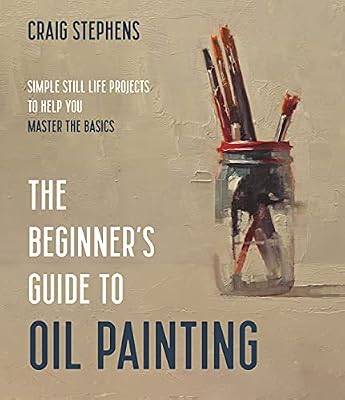
The Beginner’s Guide to Oil Painting
This guide uses simple still life projects to help beginners master the basics of oil painting.
Read the details
Painting Luminous Portraits for Artists

This book provides an essential guide to painting facial features, fleshtones, light, and form.
Read the details
The Elements of Landscape Oil Painting
This text focuses on techniques for rendering sky, terrain, trees, and water in landscape oil painting.
Read the detailsAll products, in detail

The Oil Painter's Color Handbook
This contemporary guide focuses specifically on the science and art of color in oil painting. It addresses color mixing, pigments, palettes, and harmony, making it a specialized resource for artists who want to understand how colors interact. The title indicates a focus on composition and harmony, suggesting a theoretical approach to color selection.
It is suitable for painters who feel confident in their brushwork but want to refine their understanding of color relationships and palette construction.
- Covers color mixing, pigments, palettes, and harmony
- Described as a contemporary guide to color and composition

The Oil Painting Course You've Always Wanted
Published by Watson-Guptill, this book presents guided lessons designed for both beginners and experienced artists. The title suggests a structured curriculum approach, offering step-by-step instruction that can serve as a comprehensive course. It is positioned as a foundational text for those seeking a systematic way to learn oil painting techniques.
The inclusion of lessons for both skill levels indicates a broad scope that can accommodate varying degrees of prior experience.
- Offers guided lessons for beginners and experienced artists
- Published by Watson-Guptill
The Elements of Landscape Oil Painting
This book targets artists interested in rendering specific natural elements, including sky, terrain, trees, and water. It focuses on the techniques required to depict these landscape components effectively. The title suggests a practical approach to handling the unique challenges of outdoor or nature-based subjects. It is a good fit for painters who want to specialize in landscape work or improve their ability to capture atmospheric and textural details in natural settings.
- Focuses on rendering sky, terrain, trees, and water
- Addresses techniques for landscape oil painting
The Beginner’s Guide to Oil Painting
This guide is designed for those new to the medium, using simple still life projects to help master the basics. The focus on still life provides a controlled environment for learning fundamental skills without the complexity of other subject matter. It is an accessible entry point for artists who want to build confidence through manageable exercises.
The title explicitly targets beginners, making it a clear choice for those starting their oil painting journey.
- Uses simple still life projects to teach basics
- Targeted at beginners in oil painting

Painting into the Light
This book explores how to work atmospheric magic with oil paints, focusing on the manipulation of light and atmosphere. It is aimed at artists who want to enhance the mood and depth of their paintings through light effects. The title suggests a focus on the interplay between light and form, which is a critical aspect of realistic and expressive painting.
It is suitable for painters who have mastered basic techniques and want to refine their ability to convey atmosphere.
- Focuses on working atmospheric magic with oil paints
- Addresses the use of light in painting
Painting Luminous Portraits for Artists
This essential guide focuses on painting facial features, fleshtones, light, and form. It is specifically tailored for artists interested in portraiture, addressing the unique challenges of depicting the human face. The title emphasizes luminosity, suggesting techniques for achieving a glowing or lifelike quality in portraits.
It is a specialized resource for painters who want to improve their skill in rendering skin tones and facial structures.
- Covers painting facial features, fleshtones, light, and form
- Focused on creating luminous portraits

Traditional Oil Painting
This book covers advanced techniques and concepts from the Renaissance to the present. It is aimed at artists who want to understand the historical foundations of oil painting and apply traditional methods to their work. The title indicates a focus on advanced concepts, suggesting a deeper dive into the history and technique of the medium.
It is suitable for painters who have a solid foundation and want to explore the legacy of traditional oil painting.
- Covers advanced techniques and concepts from the Renaissance to the present
- Focuses on traditional oil painting methods

Realistic Oil Painting
This contemporary guide focuses on realistic oil painting, including underpaintings, layered technique, and direct painting methods. It is designed for artists who want to achieve a high level of realism in their work. The title indicates a focus on specific techniques for creating realistic images, such as layering and direct painting.
It is a good fit for painters who are interested in the technical aspects of realistic representation.
- Covers underpaintings, layered technique, and direct painting method
- Focuses on contemporary realistic oil painting
Head-to-Head Comparisons
The Oil Painter's Color Handbook vs The Oil Painting Course You've Always Wanted
The Oil Painter's Color Handbook focuses specifically on color mixing, pigments, palettes, and harmony, making it a specialized resource for understanding color theory. In contrast, The Oil Painting Course You've Always Wanted offers guided lessons for both beginners and experienced artists, providing a broader curriculum.
If your primary goal is to refine your color relationships and palette construction, the Color Handbook is the more targeted choice. However, if you are looking for a structured course that covers a wider range of oil painting techniques, the Watson-Guptill course may be more suitable.
The decision depends on whether you need a deep dive into color or a comprehensive instructional path.
The Elements of Landscape Oil Painting vs Painting Luminous Portraits for Artists
The Elements of Landscape Oil Painting focuses on techniques for rendering sky, terrain, trees, and water, making it ideal for artists interested in natural subjects. Painting Luminous Portraits for Artists, on the other hand, is an essential guide to painting facial features, fleshtones, light, and form.
These two books address very different subject matters, with one focusing on the challenges of landscape elements and the other on the complexities of the human face. If you want to improve your ability to depict nature, the landscape guide is the appropriate choice. If you are drawn to portraiture and want to master the rendering of skin and light, the portrait guide is the better fit.
Traditional Oil Painting vs Realistic Oil Painting
Traditional Oil Painting covers advanced techniques and concepts from the Renaissance to the present, offering a historical perspective on the medium. Realistic Oil Painting is a contemporary guide that focuses on underpaintings, layered technique, and direct painting methods. The traditional guide is suitable for artists who want to understand the historical foundations and advanced concepts of oil painting.
The realistic guide is better for those who want to learn specific techniques for achieving a high level of realism in their work. The choice between these two depends on whether you are more interested in the historical and conceptual aspects of traditional painting or the technical methods of contemporary realism.
Buying Guide
Identify Your Skill Level
Beginners should look for books that offer simple projects and step-by-step instructions, such as The Beginner’s Guide to Oil Painting. Experienced artists may benefit from guides that cover advanced techniques or historical concepts, like Traditional Oil Painting. Matching the book's difficulty to your current skill level ensures that you are challenged without becoming frustrated.
Consider whether you need a foundational course or a specialized deep dive into a specific technique.
Choose Your Subject Matter
Some books focus on specific subjects, such as landscapes or portraits. The Elements of Landscape Oil Painting is ideal for those interested in rendering sky and terrain, while Painting Luminous Portraits for Artists focuses on facial features and fleshtones. If you have a preferred subject, choosing a book that specializes in that area can help you master the unique challenges it presents.
For artists who want a broader range of techniques, a general course book may be more appropriate.
Consider Your Technique Focus
Different books emphasize different techniques, such as color mixing, layering, or direct painting. The Oil Painter's Color Handbook is a good choice for those who want to understand color theory and harmony. Realistic Oil Painting focuses on underpaintings and layered techniques, which are essential for achieving realism.
Consider which technical aspects of oil painting you want to improve and choose a book that addresses those specific skills. This ensures that your study time is focused on the areas where you need the most growth.
Explore Related Art Forms
If you are interested in other mediums or art forms, you might also consider pastel drawing books or graffiti street art books. These resources can offer different perspectives on color, composition, and technique that may complement your oil painting studies. Additionally, decorative arts books can provide inspiration for design and composition.
Exploring related fields can broaden your artistic vocabulary and help you develop a more versatile approach to your work.
Frequently Asked Questions
Which book is best for absolute beginners?
The Beginner’s Guide to Oil Painting is specifically designed for those new to the medium, using simple still life projects to help master the basics. It provides a manageable entry point for learning fundamental skills.
Can I use these books to learn color theory?
Yes, The Oil Painter's Color Handbook is a contemporary guide to color mixing, pigments, palettes, and harmony. It is a specialized resource for understanding how colors interact in oil painting.
Are there books that focus on portraiture?
Painting Luminous Portraits for Artists is an essential guide to painting facial features, fleshtones, light, and form. It is specifically tailored for artists interested in the challenges of portraiture.
Do these books cover historical techniques?
Traditional Oil Painting covers advanced techniques and concepts from the Renaissance to the present. It is suitable for artists who want to understand the historical foundations of the medium.
This article is part of our complete guide Books & Media — browse all our comparisons and buying guides.
Last update on 2026-11-24 / Affiliate links / Images from Amazon Product Advertising API