
Selecting the right professional dental prophy strips depends on the specific clinical task, whether it is finishing a composite restoration or performing orthodontic enamel reduction. Different materials, such as polyester and stainless steel, offer varying levels of abrasiveness and durability.
This comparison examines six distinct options, ranging from high-volume polyester packs to specialized color-coded resin kits. By understanding the grit, material, and design of each strip, clinicians can choose the tool that best fits their workflow and patient needs.
Our pick: MDS 100-Count Polyester Prophy Strips. The 100-count polyester pack offers a large supply of single-sided strips for general polishing tasks.
Our 3 picks for different needs

GLI-Smile 80-Count Color-Coded Resin Strips
The color-coded resin strips guide users through shaping, pre-polishing, smoothing, and final gloss stages.
Read the details
EASYINSMILE Orthodontic Interproximal Reduction Kit
The ergonomic, autoclavable strips are specifically designed for interproximal reduction and conform to tooth contours.
Read the details
MDS 100-Count Polyester Prophy Strips
The 100-count polyester pack offers a large supply of single-sided strips for general polishing tasks.
Read the detailsAll products, in detail
MDS 100-Count Polyester Prophy Strips
The MDS 100-Count Polyester Prophy Strips are designed for general polishing and finishing tasks. These strips feature a single-sided coating with aluminum oxide grit in both fine and medium grades. The 4 mm width and open-center design allow for easy attachment to standard hand instruments.
This pack provides a substantial quantity of strips, making it suitable for practices that require a steady supply of finishing tools for routine composite work.
- Single-sided polyester material with aluminum oxide grit
- 4 mm width with an open-center design
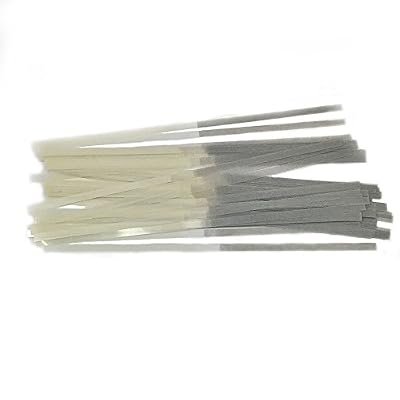
Polyester 4mm Fine Grit Prophy Strips
These polyester dental polishing strips are specifically intended for the contouring and finishing of composite restorations. The single-sided design features a fine to medium grit coating made of aluminum oxide. Each package contains 100 strips, offering a reliable supply for detailed finishing work. The 4 mm width ensures precise control when working on restoration margins and surfaces.
- Coated with aluminum oxide for composite finishing
- 100 strips per pack with 4 mm width

Zubastick Stainless Steel Abrasive Strips
The Zubastick Dental Abrasive Stainless Steel Strips are a finishing and polishing tool designed for dental applications. This 15-piece set features a 4 mm width, providing a standard size for hand-held instruments. While the specific grit details are not listed in the primary features, the stainless steel construction suggests a durable option for abrasive tasks.
This product is a compact addition to a finishing kit.
- Stainless steel abrasive strips in a 15-piece set
- 4 mm width for standard instrument attachment
GLI-Smile 80-Count Color-Coded Resin Strips
The GLI-Smile 80-Count kit offers a color-coded system for sequential polishing. Purple strips are for shaping, green for pre-polishing, yellow for smoothing, and blue for a final high-gloss finish. Made from flexible resin, these strips are designed to be gentle on enamel while addressing stains.
The resealable packaging keeps the strips organized and clean, supporting a systematic approach to achieving a smooth finish on restorations.
- Color-coded system for sequential polishing stages
- Flexible resin material in a resealable 80-piece kit
EASYINSMILE Orthodontic Interproximal Reduction Kit
The EASYINSMILE Orthodontic Plus Strips are designed for interproximal reduction, also known as enamel stripping. This 10-piece kit features an ergonomic, single-handed design that provides tactile control and reduces hand fatigue. The flexible strips conform to the natural contour of teeth, helping to avoid sharp corners.
The kit is autoclavable and reusable, making it a durable option for orthodontic procedures that require precise enamel adjustment.
- Ergonomic single-handed design for tactile control
- Autoclavable and reusable up to 270°F/132°C

Stainless Steel 4mm Medium Grit Strips
These stainless steel dental polishing strips are a one-sided, medium-grit option for finishing work. The 12-strip box provides a convenient package for practices that prefer metal-based abrasive tools. The medium grit is suitable for general polishing tasks where a balance between material removal and surface smoothness is needed.
The 4 mm width is consistent with standard prophy strip dimensions, ensuring compatibility with common hand instruments.
- Stainless steel construction with medium grit
- 12 strips per box with 4 mm width
Head-to-Head Comparisons
MDS Polyester vs. Generic Polyester Strips
Both the MDS 100-Count and the generic 4mm Fine Grit strips are polyester-based, single-sided tools with aluminum oxide coatings. The MDS brand explicitly lists both fine and medium grit options in its description, while the generic listing focuses on fine to medium grit for composite contouring.
Both come in 100-count packs with a 4 mm width. The primary distinction lies in the brand identification and the specific emphasis on composite finishing in the generic listing. For practices that need a reliable, high-volume supply of standard polyester strips, either option provides a similar functional foundation for routine polishing.
GLI-Smile Resin vs. MDS Polyester Strips
The GLI-Smile kit uses a flexible resin material with a color-coded system for sequential polishing, whereas the MDS strips are made of polyester with a single-sided aluminum oxide coating. The GLI-Smile system is designed to guide the user through specific stages from shaping to high-gloss finish, while the MDS strips are a general-purpose finishing tool.
The GLI-Smile kit includes 80 strips in resealable packaging, offering organization and portability. The MDS pack provides 100 strips, which may be preferable for high-volume practices that do not require a staged color system. The choice depends on whether a systematic, color-guided approach or a simple, high-count supply is more important.
EASYINSMILE Orthodontic vs. Stainless Steel Strips
The EASYINSMILE kit is specifically designed for interproximal reduction, featuring an ergonomic, single-handed design that is autoclavable and reusable. In contrast, the stainless steel 4mm Medium Grit strips are a general polishing tool with a 12-strip box. The EASYINSMILE strips conform to the natural contour of teeth to avoid sharp corners, which is critical for orthodontic procedures.
The stainless steel strips offer a medium grit for general finishing but lack the specific ergonomic and sterilization features of the orthodontic kit. Clinicians performing enamel stripping should look for the specialized design of the EASYINSMILE kit, while those needing general metal-based polishing may prefer the stainless steel option.
Buying Guide
Material and Grit Selection
The material of the strip determines its abrasiveness and durability. Polyester strips, often coated with aluminum oxide, are common for general composite finishing. Stainless steel strips offer a different abrasive profile, often used for specific polishing tasks. When selecting a strip, consider the grit level; fine grit is for final smoothing, while medium grit is for initial contouring.
Matching the material and grit to the restoration type ensures optimal surface quality without excessive wear on the instrument.
Application-Specific Design
Some strips are designed for general use, while others are specialized for specific procedures. For example, orthodontic interproximal reduction strips feature ergonomic designs to reduce hand fatigue and conform to tooth contours. Color-coded systems, like those found in resin polishing kits, guide users through sequential stages of polishing.
Identifying the specific clinical application, whether it is composite finishing or enamel reduction, helps in selecting a tool with the appropriate design features for precision and efficiency.
Pack Size and Reusability
The quantity of strips in a pack and their reusability impact long-term utility. High-count packs, such as 100-strip boxes, are suitable for practices with high patient volumes. Some kits, particularly those for orthodontic procedures, are autoclavable and reusable, which can be a practical consideration for sterilization protocols.
Resealable packaging helps maintain the cleanliness and organization of the strips. Evaluating the pack size and whether the strips are single-use or reusable helps in planning inventory and workflow.
Compatibility with Instruments
Most prophy strips are designed to attach to standard hand instruments, with a common width of 4 mm. The open-center design of many strips allows for easy mounting and removal. When selecting a strip, ensure that the width and attachment method are compatible with your existing hand instruments.
Consistency in width across different brands can simplify inventory management. Checking the specific dimensions and attachment style ensures that the strip fits securely and functions effectively during clinical procedures.
Frequently Asked Questions
What is the difference between polyester and resin prophy strips?
Polyester strips are typically coated with aluminum oxide and are used for general composite finishing. Resin strips, often found in color-coded kits, are designed for sequential polishing stages. The material affects the flexibility and abrasiveness of the strip, with resin often being more flexible for detailed work.
Are orthodontic prophy strips the same as general polishing strips?
No, orthodontic strips are specifically designed for interproximal reduction and feature ergonomic designs for tactile control. General polishing strips are for finishing restorations. Orthodontic strips often conform to tooth contours to avoid sharp corners, whereas general strips focus on surface smoothing.
How many strips are typically included in a prophy strip pack?
Pack sizes vary by product. Some packs contain 12 strips, while others offer 80 or 100 strips. High-count packs are suitable for high-volume practices, while smaller kits may be better for specific, specialized procedures or for trial use.
Can prophy strips be autoclaved?
Some prophy strips, particularly those designed for orthodontic interproximal reduction, are autoclavable and reusable. General polyester or stainless steel strips may be single-use. Always check the specific product details to determine if the strips can be sterilized and reused.
This article is part of our complete guide Health & Household — browse all our comparisons and buying guides.
Last update on 2026-11-21 / Affiliate links / Images from Amazon Product Advertising API