
Selecting the right professional medical patient alarm depends on the specific monitoring needs of the patient and the environment. Whether you need a pressure-sensitive pad for a bed, a magnetic tether for a wheelchair, or a personal call button, the mechanism of detection varies significantly across these eight options.
This comparison examines the mounting styles, sensor types, and wireless ranges of available systems. By understanding the differences between wired and wireless designs, as well as the specific triggers for each alarm, you can choose a device that enhances safety while respecting patient independence.
Our 3 picks for different needs

Twin Size Wireless Bed Alarm
The Twin Size Wireless Bed Alarm offers a 400-foot range and a waterproof TPU pad, making it suitable for home use where wireless freedom is desired.
Read the details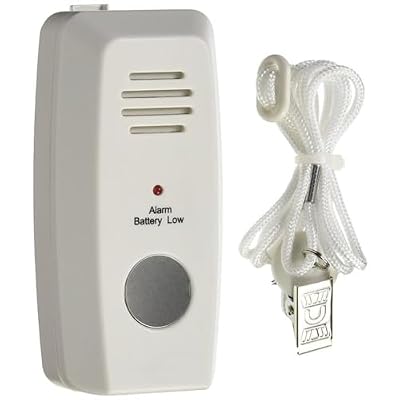
Sammons Preston Magnet Alarm
The Sammons Preston Magnet Alarm uses a magnetic tether that triggers when a patient stands, providing a specific solution for wheelchair users.
Read the details
Wireless Caregiver Pager System
The Wireless Caregiver Pager System provides a 1500-foot range and expandability to 30 buttons, ideal for facilities needing a personal alert system.
Read the detailsAll products, in detail

Drive Medical Wireless Bed Alarm
The Drive Medical Wireless Bed Alarm uses a pressure-sensitive pad to alert caregivers when a patient leaves a bed. It features a wireless design that connects the pad to an audio alarm unit. The system includes a safety alert, on/off switch, and low battery warning.
It ships with a 9V battery and measures 11 inches long by 30 inches wide. This option is suitable for facilities or homes where a wireless bed monitoring solution is preferred for added safety during sleep or rest.
- Wireless connection between pressure pad and audio alarm
- Pad dimensions are 11 inches by 30 inches

Drive Medical Chair Alarm

Designed for chair use, the Drive Medical Chair Alarm alerts caregivers with an audio signal when a patient moves out of the seat. It utilizes a pressure-sensitive pad that connects to the alarm unit. The device includes a safety alert, on/off switch, and low battery warning.
It comes with a 9V battery and has a black and blue finish. The pad measures 10 inches by 15 inches, making it a compact option for monitoring patients in seated positions.
- Pressure-sensitive pad for chair monitoring
- Pad dimensions are 10 inches by 15 inches
Wireless Caregiver Pager System
This wireless caregiver pager system provides immediate assistance via a single call button. It supports up to 1500 feet of wireless transmission between the button and receiver. The system is expandable with up to 30 call buttons and multiple receivers. The receiver features 58 ringtones and adjustable volume levels up to 120 decibels.
It has an IP55 rating for water and dust protection and operates in temperatures from -4°F to 140°F. This is ideal for environments requiring a personal call button rather than motion detection.
- Wireless range up to 1500 feet
- Expandable to 30 call buttons
Sammons Preston Magnet Alarm
The Sammons Preston Magnet Alarm is a fall management system that uses a spring-loaded clip and a cord with a metal clip. When a patient stands, the cord pulls the magnet away, triggering the alarm. It attaches to wheelchairs or other surfaces and clips to patient clothing.
The alarm unit measures 5 inches by 2 inches by 1.25 inches. It offers high and low volume settings of 105dB and 90dB. A red light flashes when triggered or when the battery is low. This system is designed for monitoring patients in beds or wheelchairs.
- Magnetic tether triggers alarm upon separation
- Volume settings of 105dB and 90dB

Patient Aid Wired Bed Alarm
The Patient Aid Wired Bed Alarm uses a 10-inch by 30-inch motion sensor pad to alert caregivers when a patient attempts to stand. The device mounts on bed rails, walls, or flat surfaces using provided accessories. The pad is made of advanced vinyl that is tear-resistant, water-resistant, latex-free, and foldable.
It is designed for rigorous use and is easy to wipe down. Note that this system cannot be used on patients with pacemakers or defibrillators. It includes a one-year replacement warranty for defects.
- Wired connection with 10×30 inch motion sensor pad
- Vinyl pad is latex-free and water-resistant

Patient Aid Wired Chair Alarm
The Patient Aid Wired Chair Alarm features a 10-inch by 15-inch motion sensor pad for chair monitoring. It alerts caregivers when a patient tries to stand. The device can be clipped to chair rails, mounted on walls, or secured with velcro strips. The pad is constructed from advanced vinyl that is tear-resistant, water-resistant, latex-free, and foldable.
Like its bed counterpart, it is not suitable for patients with pacemakers or defibrillators. It comes with a one-year warranty for defect replacement.
- Wired connection with 10×15 inch motion sensor pad
- Vinyl pad is latex-free and water-resistant
Twin Size Wireless Bed Alarm
This wireless bed alarm system uses a TPU composite pad that is 100% waterproof and skin-friendly. It is available in Twin, Full, Queen, and King sizes. The system alerts when a patient sits on the edge of the bed, with a wireless range up to 400 feet.
It uses replaceable AAA batteries and the pager connects to up to 3 transmitters. It features a Caregiver Mode that pauses the alarm for 20 minutes. The pager offers 4 alert modes, including vibration-only, and is FSA and HSA approved.
- Wireless range up to 400 feet
- TPU pad is 100% waterproof

Medline Advantage Patient Alarm
The Medline Advantage Patient Alarm uses a magnetic pull switch to inhibit wandering. The switch releases from any angle to help eliminate false alarms and clothing tears. It mounts on beds or chairs using a strap and hook-and-loop fastener, or tethers to clothing. The alarm features a recessed on/off switch and a battery check button that allows checking without sounding the alarm.
This design is intended for efficient monitoring of patients who may attempt to leave their bed or chair.
- Magnetic pull switch releases from any angle
- Includes battery check button
Head-to-Head Comparisons
Drive Medical Wireless vs Patient Aid Wired Bed Alarms
The Drive Medical Wireless Bed Alarm and the Patient Aid Wired Bed Alarm both use pressure-sensitive pads to detect when a patient leaves a bed. The Drive model features a wireless connection between the pad and the audio alarm, offering flexibility in placement. The Patient Aid model uses a wired connection and includes a 10-inch by 30-inch vinyl pad that is latex-free and water-resistant.
The Drive alarm includes a 9V battery, while the Patient Aid system is designed for rigorous use with a foldable pad. Buyers should choose based on whether they prefer the flexibility of a wireless setup or the reliability of a wired connection.
Sammons Preston Magnet vs Medline Advantage Alarms
Both the Sammons Preston Magnet Alarm and the Medline Advantage Patient Alarm utilize magnetic tethers to detect patient movement. The Sammons Preston system uses a spring-loaded clip and a cord with a metal clip that triggers the alarm when the patient stands. It offers volume settings of 105dB and 90dB.
The Medline Advantage alarm features a magnetic pull switch that releases from any angle to help eliminate false alarms. It includes a battery check button that allows caregivers to verify battery status without sounding the alarm. The choice between these two depends on the specific mounting preferences and the need for a battery check feature.
Caregiver Pager vs Wireless Bed Alarm
The Wireless Caregiver Pager System and the Twin Size Wireless Bed Alarm serve different monitoring purposes. The Caregiver Pager is a personal call button system with a range of up to 1500 feet and expandability to 30 buttons. It is designed for patients to press a button when they need assistance.
The Twin Size Wireless Bed Alarm uses a motion sensor pad to detect when a patient sits on the edge of the bed, with a range of up to 400 feet. The pager is better for active patients who can press a button, while the bed alarm is better for passive monitoring of patients who may not be able to call for help.
Buying Guide
Choosing Between Wired and Wireless Systems
Wired systems like the Patient Aid alarms provide a direct connection between the sensor pad and the alarm unit, which can be advantageous in environments where wireless interference is a concern. Wireless systems like the Drive Medical and Twin Size alarms offer greater flexibility in placing the alarm unit away from the patient.
When selecting a system, consider the distance between the patient and the caregiver's location. Wireless ranges vary, with some systems offering up to 1500 feet and others up to 400 feet. Check current prices on the live product cards to compare costs for wired and wireless options.
Understanding Sensor Types and Triggers
Different alarms use different sensors to detect patient movement. Pressure-sensitive pads, found in the Drive Medical and Patient Aid models, trigger when weight is removed from the pad. Magnetic tethers, used in the Sammons Preston and Medline Advantage models, trigger when the magnet separates from the clip.
Personal call buttons, like the Wireless Caregiver Pager, require the patient to actively press a button. The choice of sensor type should align with the patient's ability to interact with the device and the specific risk being monitored, such as falling out of bed or wandering.
Considering Mounting and Installation
The method of mounting the alarm unit is a practical consideration for daily use. Some alarms, like the Patient Aid models, can be clipped to bed rails, mounted on walls, or secured with velcro strips. The Medline Advantage alarm mounts using a strap and hook-and-loop fastener or a tether clip.
The Sammons Preston alarm uses a spring-loaded clip that attaches to wheelchairs or other surfaces. Ensure that the mounting method is compatible with the furniture in your care environment. For example, if you are monitoring a patient in a wheelchair, a system with a clip that attaches to the chair frame is essential.
Evaluating Battery Life and Maintenance
Battery type and maintenance requirements vary across these patient alarms. The Drive Medical alarms come with 9V batteries, while the Twin Size Wireless Bed Alarm uses replaceable AAA batteries. The Medline Advantage alarm includes a battery check button that allows you to verify battery status without sounding the alarm.
The Sammons Preston alarm has a tool-free battery door that will not open if dropped. Consider the convenience of battery replacement and the availability of a battery check feature when selecting a system. Regular maintenance of the battery and sensor pad is crucial for reliable operation.
Frequently Asked Questions
Can these alarms be used on patients with pacemakers?
The Patient Aid Wired Bed Alarm and Chair Alarm explicitly state that they cannot be used on patients with pacemakers or defibrillators. Other models in this comparison do not specify this restriction in their provided features. Always consult the manufacturer's instructions and a healthcare professional before using any medical device on a patient with implanted electronics.
What is the difference between a bed alarm and a chair alarm?
A bed alarm is designed to monitor a patient in a bed, typically using a larger pad that fits under the mattress or on the bed surface. A chair alarm is designed for monitoring a patient in a chair, often using a smaller pad or a different mounting mechanism.
The size of the sensor pad and the mounting accessories are the primary differences between these two types of alarms.
How far can the wireless alarms transmit?
The Wireless Caregiver Pager System supports up to 1500 feet of wireless transmission. The Twin Size Wireless Bed Alarm has a wireless signal that reaches up to 400 feet. The Drive Medical Wireless Bed Alarm is described as wireless but does not specify a range in the provided features.
Check the specific product details for the exact transmission range of each wireless model.
Are these alarms FSA or HSA eligible?
The Twin Size Wireless Bed Alarm is explicitly stated to be FSA and HSA approved. The other models in this comparison do not mention FSA or HSA eligibility in their provided features. You should verify the eligibility of each specific product with your healthcare provider or the manufacturer before using pre-tax funds.
This article is part of our complete guide Health & Household — browse all our comparisons and buying guides.
Last update on 2026-11-25 / Affiliate links / Images from Amazon Product Advertising API