
Selecting the right wood stain depends on the specific characteristics of your project, including the type of wood, the desired finish, and the application environment. The eight products listed here represent a range of formulations, from traditional oil-based stains to water-based liquids and thick gel formulas. Each option offers distinct advantages regarding dry time, coverage, and ease of application. Minwax describes deep penetration and grain enhancement, while specific water-based products in this selection list low odor or soap-and-water cleanup.
Gel stains offer a no-drip application method suitable for vertical surfaces. When choosing, consider whether you need a fast-drying formula for quick project completion or a deep penetrating finish for long-lasting color. Coverage rates vary significantly between products, so matching the bottle size to your project scale is essential. This comparison focuses on the documented features of each product to help you identify the stain that best fits your specific needs and application preferences.
Our 3 picks for different needs

The listing describes a low-odor, water-based stain for furniture and cabinets; follow its label precautions when deciding where to use it.
Read the details

The thick gel formula is designed to apply smoothly on vertical surfaces without dripping, ideal for doors and trim.
Read the details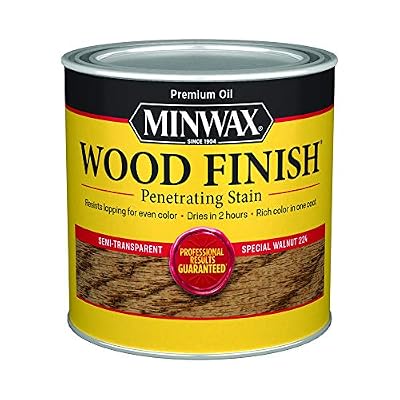
This oil-based stain penetrates wood pores quickly and enhances natural grain with a deep, even color in one coat.
Read the detailsAll products, in detail

This oil-based stain penetrates wood pores quickly and enhances natural grain with a deep, even color in one coat.


The listing describes a low-odor, water-based stain for furniture and cabinets; follow its label precautions when deciding where to use it.
The thick gel formula is designed to apply smoothly on vertical surfaces without dripping, ideal for doors and trim.


Head-to-Head Comparisons
Varathane Premium vs Minwax Wood Finish: Dry Time and Penetration
Both Varathane Premium Fast Dry and Minwax Wood Finish are oil-based stains designed for interior projects like furniture and cabinets. The primary distinction lies in their drying times and penetration speeds. Varathane Premium is highlighted for its fast-drying formula, which dries to the touch in just one hour and covers up to 70 square feet per coat. In contrast, Minwax Wood Finish emphasizes deep penetration, stating that it penetrates wood pores within five minutes of application and dries in two hours.
Varathane specifies dry-to-touch time, which should not be treated as a recoat or full-cure time; consult each label for those separate intervals. However, if you prefer a stain that is specifically noted for its rapid initial penetration into the wood pores, Minwax may be the better fit. Both products are described as providing one-coat coverage and enhancing the natural wood grain, but their timing statements do not establish identical readiness for the next project step.
Check the specific color shades available for each brand to ensure the tone matches your design vision.
Varathane Gel Stain vs Water-Based Liquid: Application Method
These two water-based stains differ significantly in their physical consistency and application method. The Varathane Total Control Gel Stain features a thick, no-drip formula designed to apply smoothly on both horizontal and vertical surfaces, including wood, metal, and fiberglass. This makes it particularly useful for projects involving doors, trim, or banisters where traditional liquid stains might run. The other product is a standard water-based liquid stain described as low odor, with a focus on color penetration and application.
While both are water-based and low odor, the gel formula offers a specific advantage for vertical work due to its viscosity. The liquid stain, on the other hand, is noted for its coverage, with one 250ml bottle covering approximately 90-120 square feet. For a large flat surface, compare the stated coverage and application instructions before selecting a bottle. For intricate vertical details, the gel stain's no-drip characteristic is a key differentiator.
Verify cleanup instructions for each product rather than assuming that two water-based formulations require identical handling.
Furniture Clinic vs Varathane Less Mess: Size and Scope
Furniture Clinic Wood Stain and Varathane Less Mess differ in how they are presented for a project. Furniture Clinic lists several bottle sizes and a range of colors, with coverage information supplied for those sizes. That makes checking the selected bottle and shade an important part of ordering. Varathane Less Mess instead emphasizes its combined stain and applicator format for crafts and small projects.
Its supplied title and volume field disagree, so confirm the actual package volume before using it in a quantity calculation. Do not assume that a larger number in a listing describes the exact variant being purchased. If choosing among bottle sizes and colors is the main requirement, examine the Furniture Clinic variants. If an integrated applicator is the attraction, the Less Mess format is the relevant distinction.
Both are described as water-based, but this shared description does not establish identical coverage, handling requirements or finish appearance. Compare the current label and selected variant before committing to either.
Buying Guide
Oil-Based vs Water-Based Formulas
Formula type is a useful starting point, but the individual label should drive the purchase. Minwax Wood Finish is described as an oil-based, penetrating stain for interior wood. Varathane Premium also identifies an oil-based formula and interior use. The water-based selection includes Furniture Clinic, the named 250ml liquid stain, Varathane Total Control Gel and Varathane Less Mess. Within that group, the gel emphasizes vertical application, while Less Mess highlights an integrated applicator and soap-and-water cleanup.
These are product-specific distinctions, not properties that can automatically be assigned to every water-based stain. Low odor also should not be treated as permission to ignore ventilation or other label precautions. Check the intended surface, location, cleanup directions and compatible finishing products for the exact item. Neither oil-based nor water-based wording alone establishes superior durability or suitability for an outdoor project.
Choose according to the documented application and finish requirements rather than assuming one formula family wins every comparison.
Understanding Coverage and Bottle Sizes
Coverage rates vary widely among the listed products, and matching the bottle size to your project is crucial to avoid waste or running out of stain. For example, the Varathane Premium Fast Dry stain covers up to 70 square feet per coat, while the water-based liquid stain covers approximately 90-120 square feet from a 250ml bottle. The Furniture Clinic stain offers coverage in metric units, with a 250ml bottle covering 3m² and a larger bottle listed at 30m²; verify its exact volume because the seller’s unit descriptions conflict.
Before purchasing, measure the total surface area of your project. If you are unsure, consider starting with a smaller size to test the color and application, then purchasing more if needed. Note that coverage can vary depending on the wood type and porosity. The data provided lists specific coverage figures for some products, but for others, the coverage is described more generally.
Always check the specific product details for the exact coverage rate of the size you intend to buy.
Dry Time and Project Scheduling
Read timing claims carefully when planning a project. Varathane Premium states that it dries to the touch in one hour. Minwax Wood Finish states a two-hour drying time, and Varathane Total Control Gel lists drying on wood in one hour. Those statements do not all define the same stage of readiness. Dry to the touch, ready for another coat, ready for a protective finish and fully cured should not be treated as interchangeable.
Check the current label for the specific interval required before the next step in your project. Avoid calculating a completion schedule by simply multiplying a headline drying time by the number of coats. The supplied features do not establish every product’s complete finishing schedule. A shorter listed time also does not prove greater durability, adhesion or better penetration. If timing matters, compare equivalent instructions for the exact products and intended surfaces before deciding which one fits your schedule.
Application Tools and Techniques
The method of application can affect the final finish and the ease of the project. The Minwax Wood Finish recommends using a clean cloth or wood stain brush, applying in the direction of the grain and wiping away excess after 5-15 minutes. This technique allows for control over color depth. The Varathane Less Mess stain includes a built-in applicator, which is convenient for small projects and crafts.
The Varathane Total Control Gel is designed for smooth application on vertical surfaces, reducing the need for careful wiping to prevent drips. If you are new to staining, a product with a built-in applicator or a thick gel formula may be easier to manage. For more experienced users, a liquid stain applied with a cloth or brush offers more control over the final look.
Consider your comfort level with different tools and the type of surface you are staining when selecting a product.
Frequently Asked Questions
Can I use these stains on outdoor wood?
Furniture Clinic explicitly lists indoor and outdoor wood surfaces, and the 250ml water-based liquid stain title also names indoor and outdoor furniture. Minwax Wood Finish and Varathane Premium list interior projects. Do not extend one product’s stated exterior use to the rest of its brand or formula family. For an outdoor project, verify the exact variant’s current label, permitted surfaces and any required finishing system.
A statement about use on wood does not by itself establish suitability for exposure to weather.
How many coats do I need for a deep color?
Most of the listed products are described as providing one-coat coverage. The Minwax Wood Finish notes that you can reapply coats for deeper color. The water-based liquid stain mentions that a second coat covers 45-60 square feet and a third covers 30-45 square feet, implying that multiple coats can be applied for richer color. The number of coats needed depends on the desired depth and the wood's porosity.
Start with one coat and assess the color before applying additional coats.
Is the gel stain suitable for metal or fiberglass?
Yes, the Varathane Total Control Gel Stain is described as ideal for wood, metal, and fiberglass. This makes it a versatile option for projects that involve mixed materials. The other stains listed are primarily described for use on wood surfaces. If your project includes metal or fiberglass components, the gel stain is the only one in this list explicitly noted for those materials.
How do I clean up after using these stains?
Varathane Less Mess specifically lists soap-and-water cleanup. The supplied descriptions do not provide a complete set of cleanup instructions for every other stain here. Do not transfer that instruction to another product solely because both are described as water-based, and do not choose a solvent for an oil-based stain from a generic assumption. Read the current product label for handling, cleanup and disposal directions before beginning.
If the listing omits those details, obtain the manufacturer’s instructions for the exact formula you plan to buy.
This article is part of our complete guide Tools & Home Improvement — browse all our comparisons and buying guides.
Last update on 2026-11-18 / Affiliate links / Images from Amazon Product Advertising API